What a grocer here can actually get
The Thai pantry in Vancouver is real but it is not complete — and knowing the gap between what lands fresh and what does not changes what you cook.
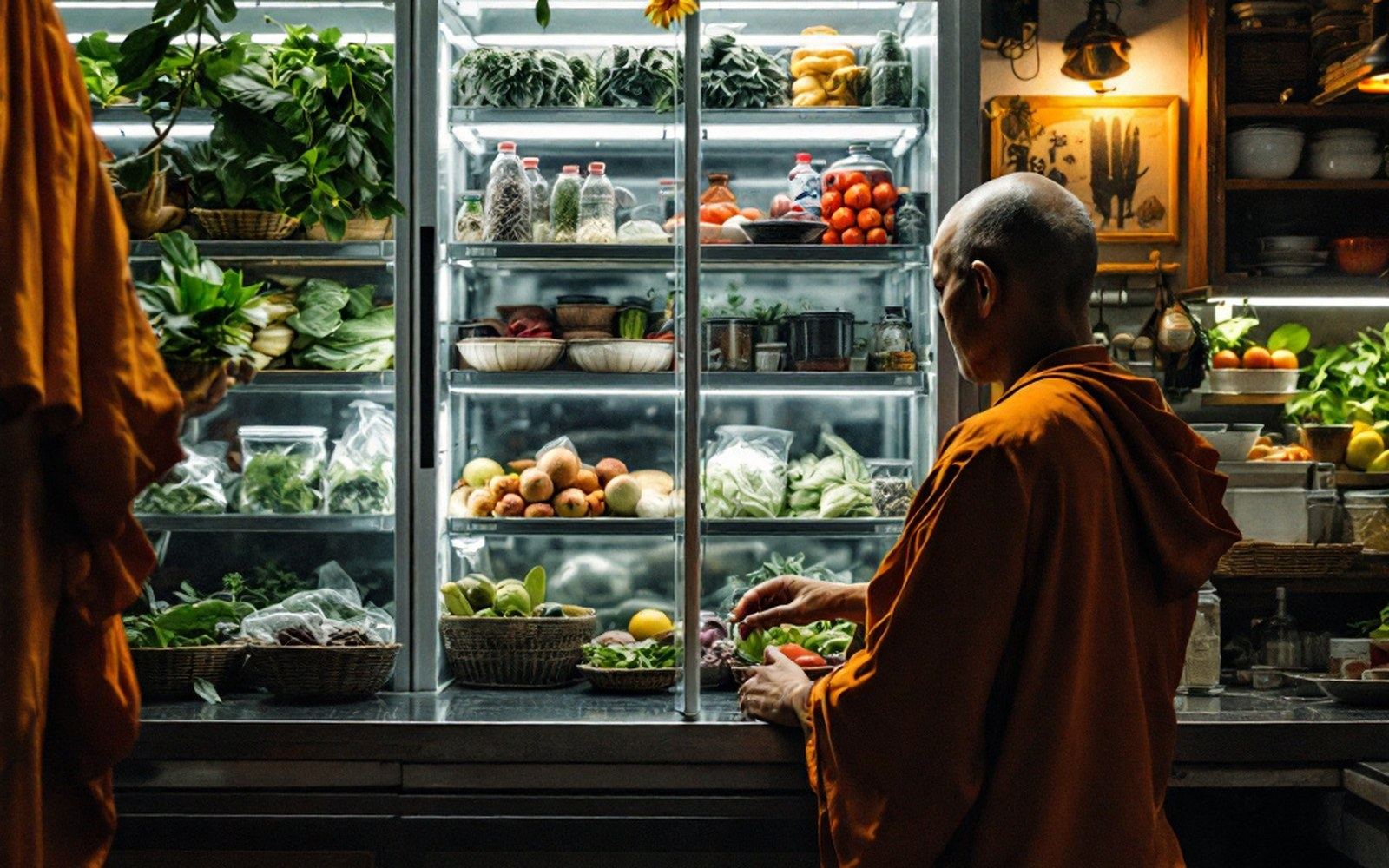
The reliable fresh shelf
Walk into T&T Supermarket on No. 3 Road in Richmond on any given week and the produce section will carry makrut lime leaves — the deeply fragrant double-lobed leaves of Citrus hystrix — fresh, not dried, not frozen. That is not nothing. Makrut lime leaves dried in a jar lose their volatile oils fast; the difference between a leaf pulled from a living branch and one that has sat in a warehouse is the difference between a fragrant tom kha and a flat one. Richmond's Thai and Southeast Asian community is large and consistent enough to sustain that supply. Surrey's grocers follow a beat or two behind, but the same leaves generally appear there by the weekend.
Galangal — the rhizome that looks like a pale, knobbed cousin of ginger but tastes nothing like it, sharp and piney where ginger is warm — arrives less reliably. In a good week, fresh galangal comes in from suppliers in California, occasionally directly from Florida's small Thai-ingredient farms. In a slow week, the bin is empty. The frozen substitute, sliced before freezing, works in a braise or a long-simmered broth; it does not work in anything where you want a clean, raw edge. Knowing which week it is before you plan the menu is the practical rhythm a Vancouver Thai kitchen lives by.
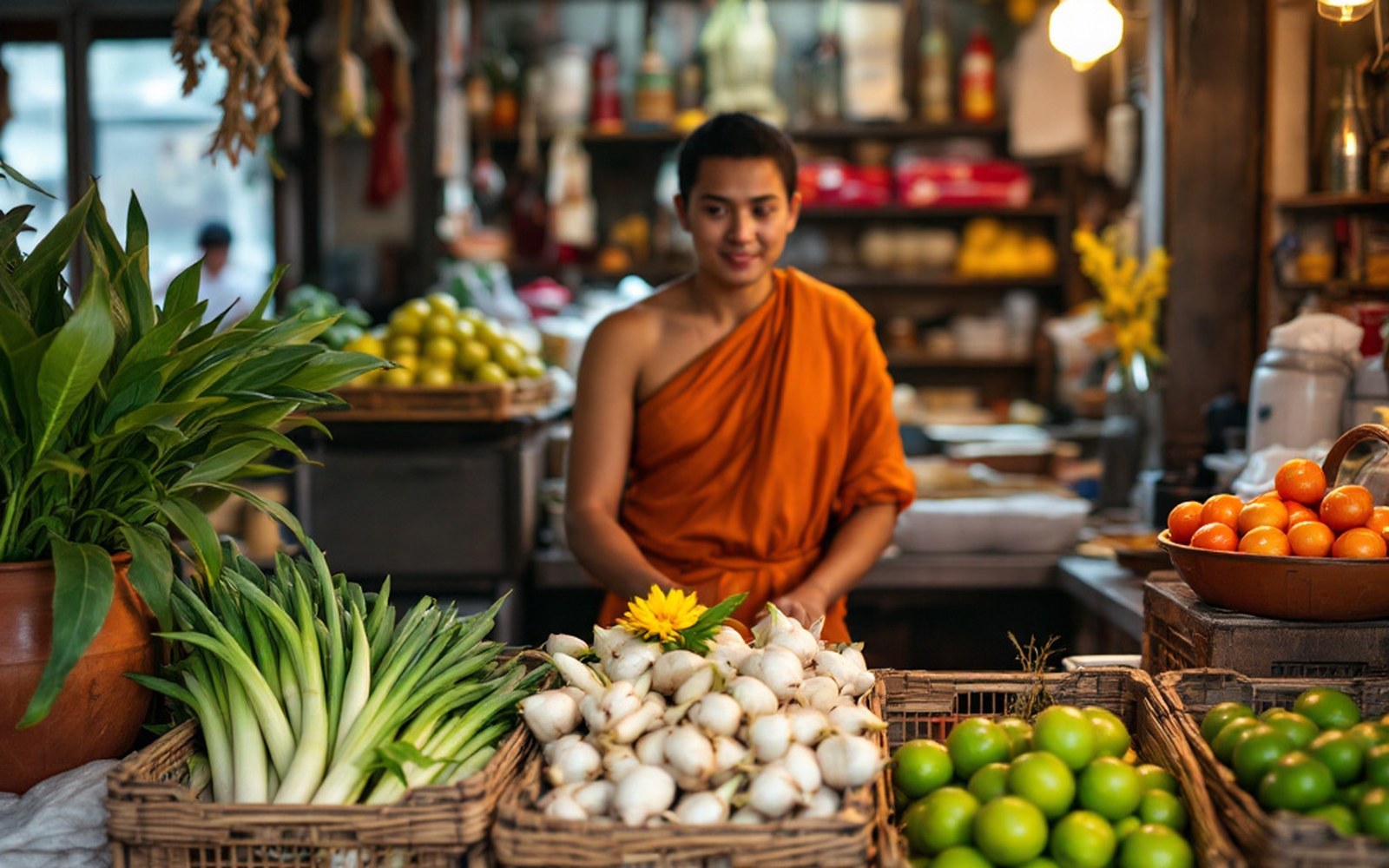
Holy basil — horapa is sweet basil, common and always there; holy basil, krapao, is the one with serrated edges and a clove-like heat — is the most temperamental. It spoils fast in transit, and what arrives often does so already exhausted: wilted at the stem, darkening at the leaf edges. When it arrives in good condition, usually mid-week when a Richmond store receives a direct shipment, it sells out quickly. Thai basil, which is horapa and not the same thing, is no substitute in a pad krapao; the flavour profile is different enough that swapping them changes the dish at the root. Some Vancouver cooks have started growing holy basil indoors under lights specifically to stop being at the mercy of the shipping schedule.
The dried, the frozen and the compromised
Certain things the Vancouver Thai kitchen has always handled through preservation. Dried shrimp paste — kapi — is shelf-stable and the right quality is available here. Good fish sauce, the right brands rather than the mass-export versions formulated to be mild enough not to frighten a non-Thai customer, can be found in Richmond without much difficulty. Tamarind paste, palm sugar in the right grade, dried chillies from the correct cultivars: the pantry's backbone is solid.
What frozen supply has genuinely solved is pandan leaf. Fresh pandan (bai toey) — the long, flat, intensely green leaf used to wrap food, flavour rice and colour sweets — is almost never available fresh in Vancouver. The frozen form preserves its colour and most of its fragrance; it is a workable substitute in ways that, say, a frozen galangal slice is not, because pandan's job is largely aromatic and the freezing damages less. Kaffir lime — makrut, to use the term the ingredient's community actually prefers — is different: the leaves freeze acceptably for curry pastes, where they are ground in, but lose the lift that makes them worth adding whole at the end of a dish.
The makrut lime fruit itself, as opposed to the leaf, is close to unobtainable fresh in Vancouver. The zest is what matters in a good curry paste; a concentrated extract exists, but it is not the same thing, and most Vancouver cooks either bring zest home from Thailand dried or skip the fruit entirely and build around the leaf.
What this means for the menu
A Bangkok or Chiang Mai home cook builds a shopping list and assumes the market will deliver it. A Vancouver Thai kitchen builds a shopping list and then edits it based on what came in that week. The practical consequence is that certain dishes become occasion food rather than everyday food. Tom kha gai — the coconut broth with galangal, lemongrass, makrut leaves and fresh mushrooms — requires all four ingredients in good condition at the same moment, and that moment is not guaranteed. It becomes something cooked when the stars align rather than something cooked on a Wednesday because you feel like it.
Dishes built around the dried-and-paste pantry become the weekly rotation: curries from good commercial pastes supplemented by whatever is fresh, stir-fries where the basil question is the only variable, rice dishes where the armoury is already in the cupboard. This is not a failure of ambition; it is what an Isan cook in Vancouver and a Chiang Mai cook in Vancouver share equally, because the regions they go back to cook from utterly different fresh palettes, but both are negotiating the same Canadian supply chain when they are here.
Lemongrass is the one reliable win. It keeps well, travels well and arrives consistently; the Vancouver supply is steady enough that it barely registers as a concern. That matters because lemongrass is foundational in so many things — soups, curry pastes, marinades — and having it reliable as the baseline allows the rest of the week's fresh sourcing to be improvised around it.
The community knowledge that circulates about what arrived where and when is informal but real. A cook who knows that a particular Richmond grocer receives Thursday deliveries from its California produce supplier, and that fresh galangal tends to come on that truck, will plan tom kha for Friday. That kind of calendar built around a different rhythm — not the Thai lunar calendar but the logistics calendar of a diasporic kitchen — is its own form of keeping time.
More in And in Vancouver