The regions people go back to
Home is rarely Bangkok. The return journey runs to the northeast, the north or the south — and each one is a different country to eat and observe in.
Three homelands, one city of departure
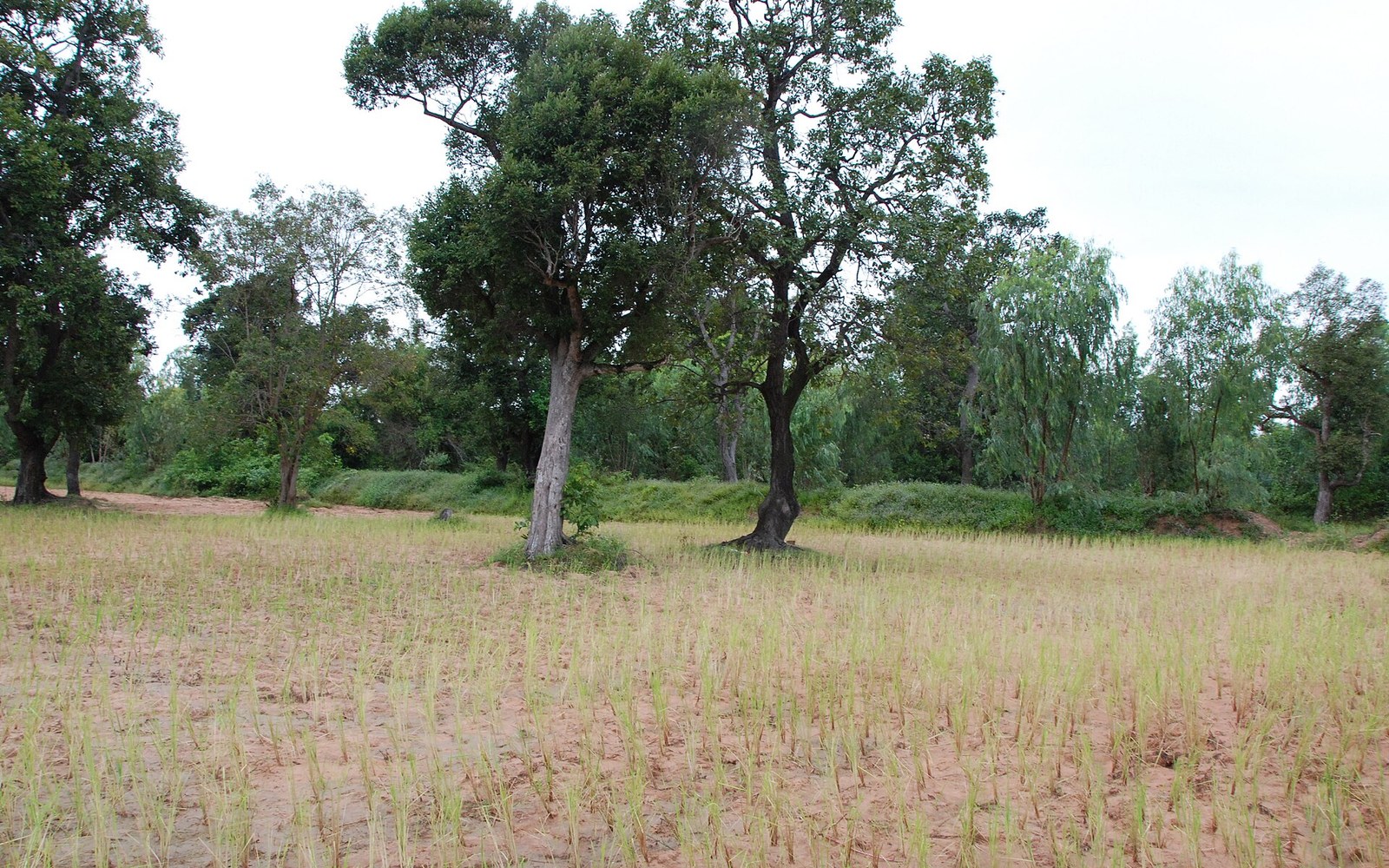
Bangkok is where the plane lands. Almost no one in the Thai-Vancouver community is from there. The flight connects two cities, but the home it connects to sits further: a village in Isan, a town outside Chiang Mai, a house on the Gulf coast. Each of those places keeps the calendar slightly differently, cooks differently and speaks, in many households, a recognisably different dialect. Coming back to one of them is not the same experience as visiting another.
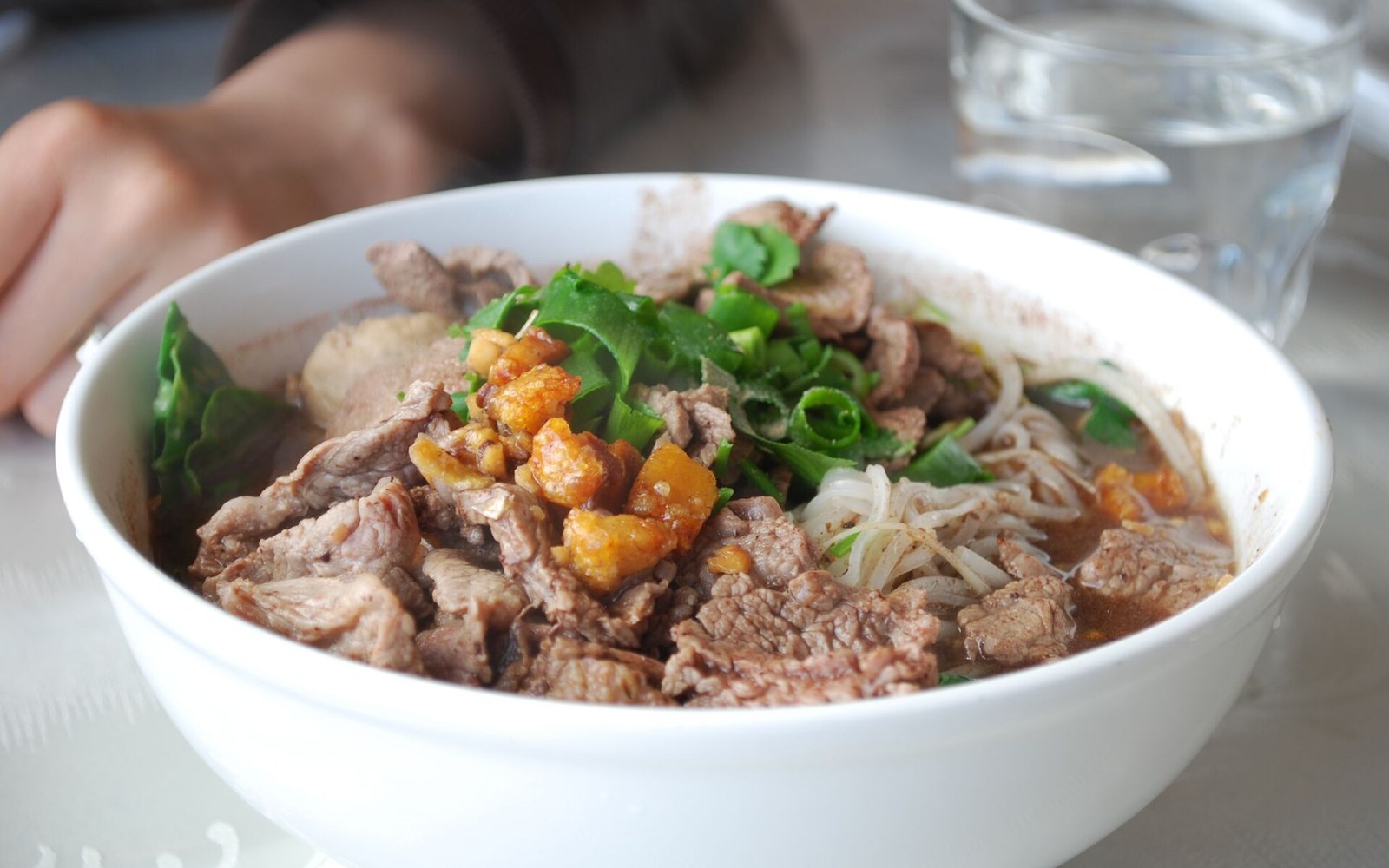
Isan — the broad northeastern plateau that presses up against Laos and Cambodia — is the largest single source of Thai emigration worldwide, and that pattern holds in British Columbia. The region's cuisine and culture carry strong Lao roots, something that becomes obvious the first time someone from elsewhere in Thailand tries to eat a proper Isan meal: raw fermented fish, sticky rice eaten by hand, green papaya pounded hard and sour with padaek (a pungent fish paste that is nothing like the milder versions sold for export). The food is blunt, hot and funky, and it does not translate easily to a Vancouver grocery run. People go back partly because it cannot be fully replicated here.
The north is a different proposition. Chiang Mai sits in a valley ringed by mountains, and the cooking of the surrounding region — called Lanna, after the historical kingdom — runs cooler and more aromatic than Isan's, built on dried spices and pork rather than fresh chilli heat. Khao soi, the coconut-curry noodle soup that has become the north's most-exported dish, appears on Vancouver menus, but the version served here bears the same relation to the Chiang Mai original that a croissant from a Richmond bakery bears to one from a Paris boulangerie: recognisable, honest, a different thing. The north also keeps some Buddhist observances on its own calendar, a legacy of the Lanna lunar reckoning that diverges from the central Thai system on certain feast days — a family's Songkran, or new year water festival, may be marked with different customs and a different rhythm than the national observance.
The south is the third country. Peninsular Thailand running down toward Malaysia carries a cooking tradition shaped by the sea, by coconut in everything and by a Muslim population concentrated in the far south whose food culture tilts entirely differently again. A family from Surat Thani and a family from Narathiwat are both Thai and both southern, but they are not cooking or observing in the same way. In Vancouver, southerners are fewer and less visible as a distinct community than Isan or northern families, but the return journey is just as specific: the particular fish, the particular curries, the particular way the rains fall and when.
What the return actually is
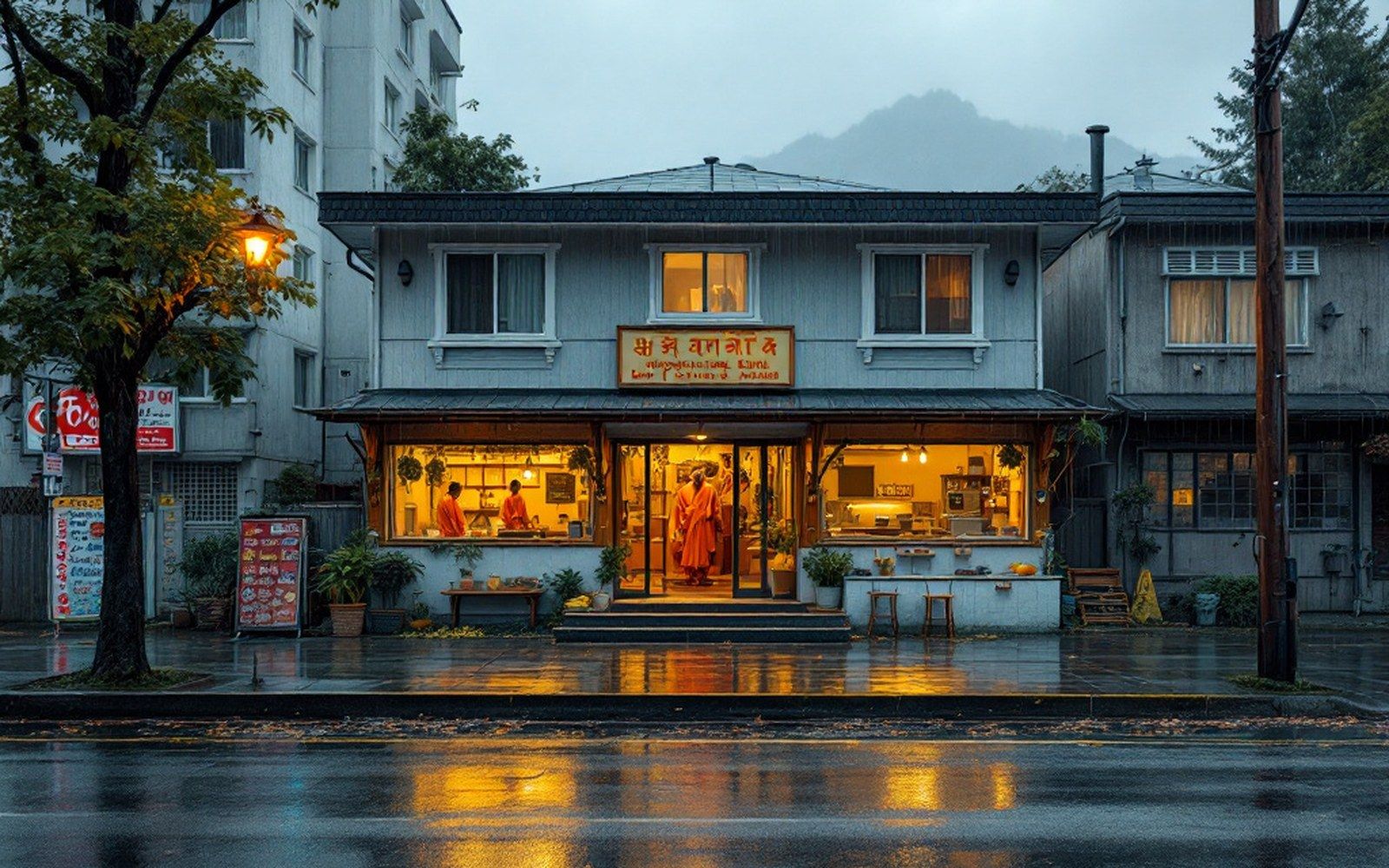
The journey back is usually timed around one of three anchors: the Songkran period in April, the Loy Krathong full moon in November or a family event — a funeral, an ordination, a merit-making that requires presence. Outside those windows, the cost and the distance make casual returns difficult, and the community in Vancouver compensates with a calendar of local observances that hold the ritual shape even when the geography is wrong.
But the return, when it happens, is not a holiday in the way that word travels in English. It is a recalibration. The food resets: flavours that have been approximated for months are suddenly correct again. The observance resets: the temple at home knows the family, knows the order of things, and nothing has to be explained. The landscape resets in a way that no amount of Thai cultural documentation quite captures — the heat, the particular green of wet-season rice fields, the sound of the region in a language that is not quite the Thai taught in textbooks.
People go back to the place, not the country. That precision matters to them, and it is worth holding onto here.
More in And in Vancouver