FrontApril, and everything gets wet
How to turn up without getting it wrong
What is expected of a guest at a temple observance — described rather than prescribed.
What the room already knows
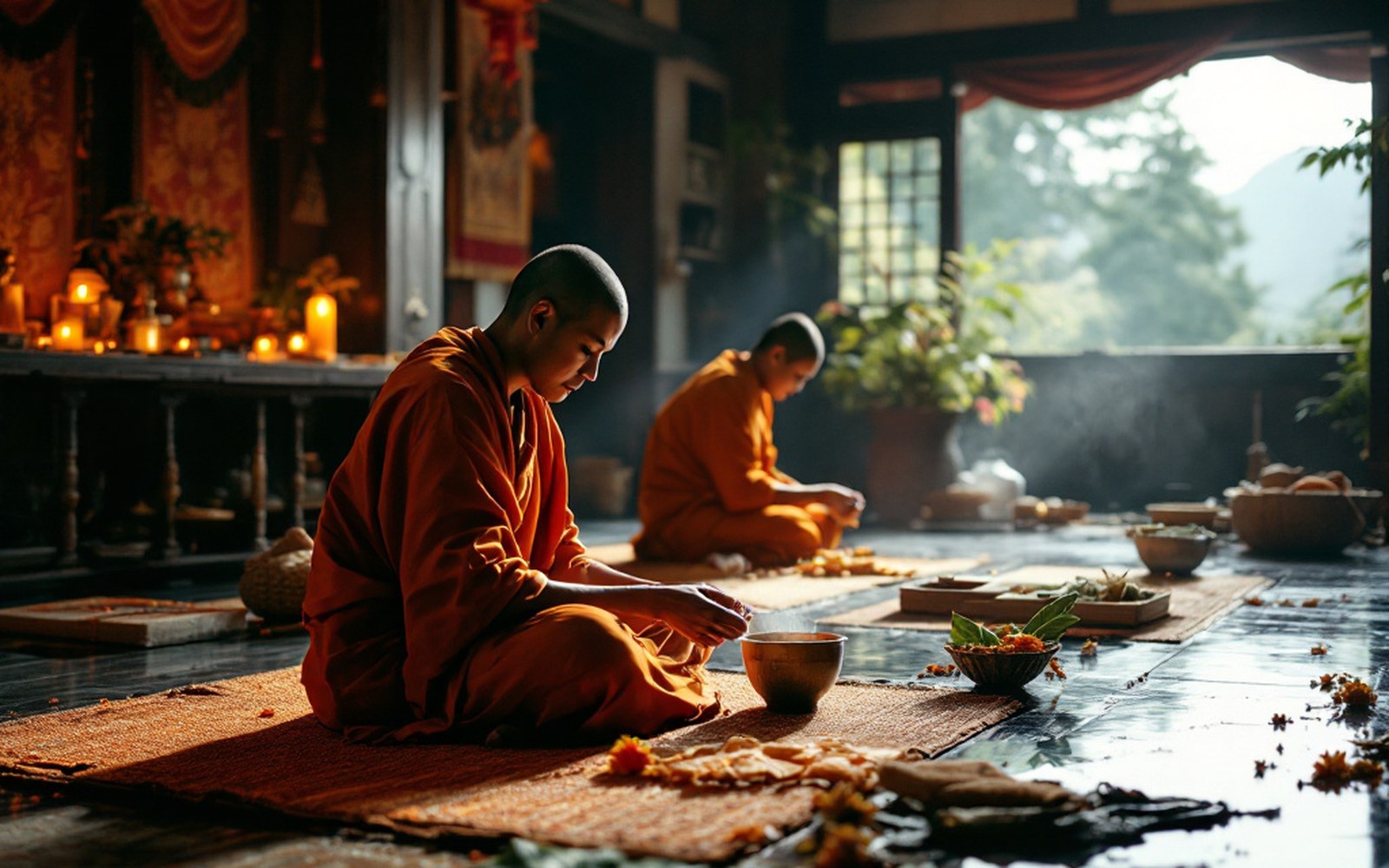
A Songkran morning at a temple in Richmond or Surrey carries a shared understanding among everyone who grew up with it. The ceremony begins early, often before eight. Images of the Buddha are bathed with scented water poured from small vessels; elders receive water over their hands in a gesture of respect and blessing. The sequence has its own logic — images first, then elders, then everyone — and that logic is visible if you watch before you move.
A guest who has not grown up inside this is not expected to know the order instinctively. What is expected is that they pay attention to it. The room is not performing for an audience; it is doing something it has always done. Arriving as an observer first, and a participant only when invited or when the pattern becomes clear, is the position that causes the least disruption and the most goodwill.
Dress and posture
Temples ask for covered shoulders and legs — this is not unique to Songkran, but it matters more on a high-attendance day when space is tight and the elders who set the tone are present in numbers. White is common among the Thai community on observance mornings; a guest wearing it is not presumptuous, just attentive. Bright clothing that can get wet belongs to the street festival that may follow, not the ceremony that precedes it.
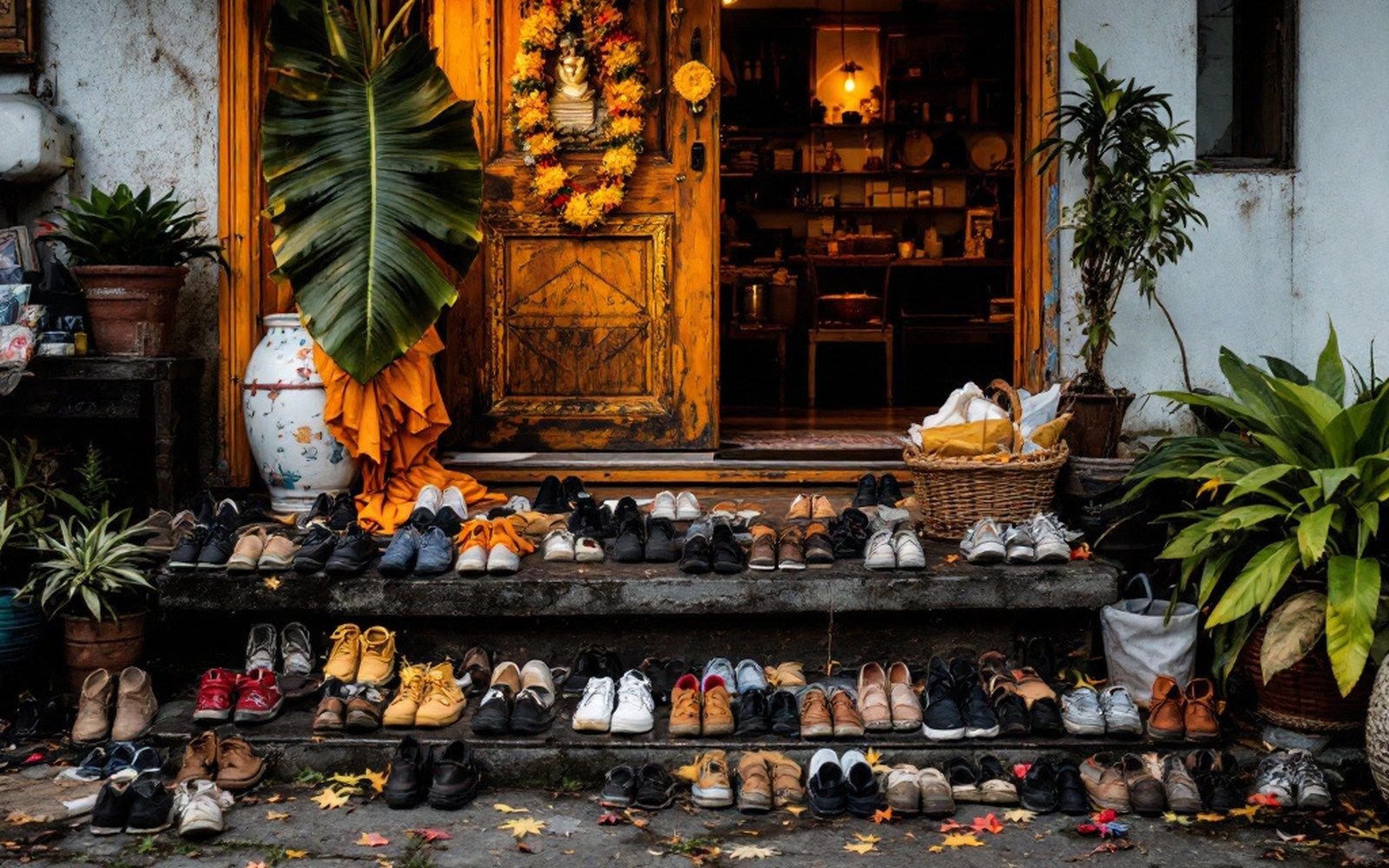
Shoes come off at the entrance to any shrine building — look for the pile before you look for a sign. Sitting on the floor is normal; pointing feet toward Buddha images or toward senior monastics is not done. Neither is photographing people in moments of private prayer, however quietly the phone is raised.
Speech is quieter inside the shrine than outside it. This is not a rule that anyone announces; it is a register the room holds. Matching it is the most effortless social act available to someone who does not speak Thai.
The water
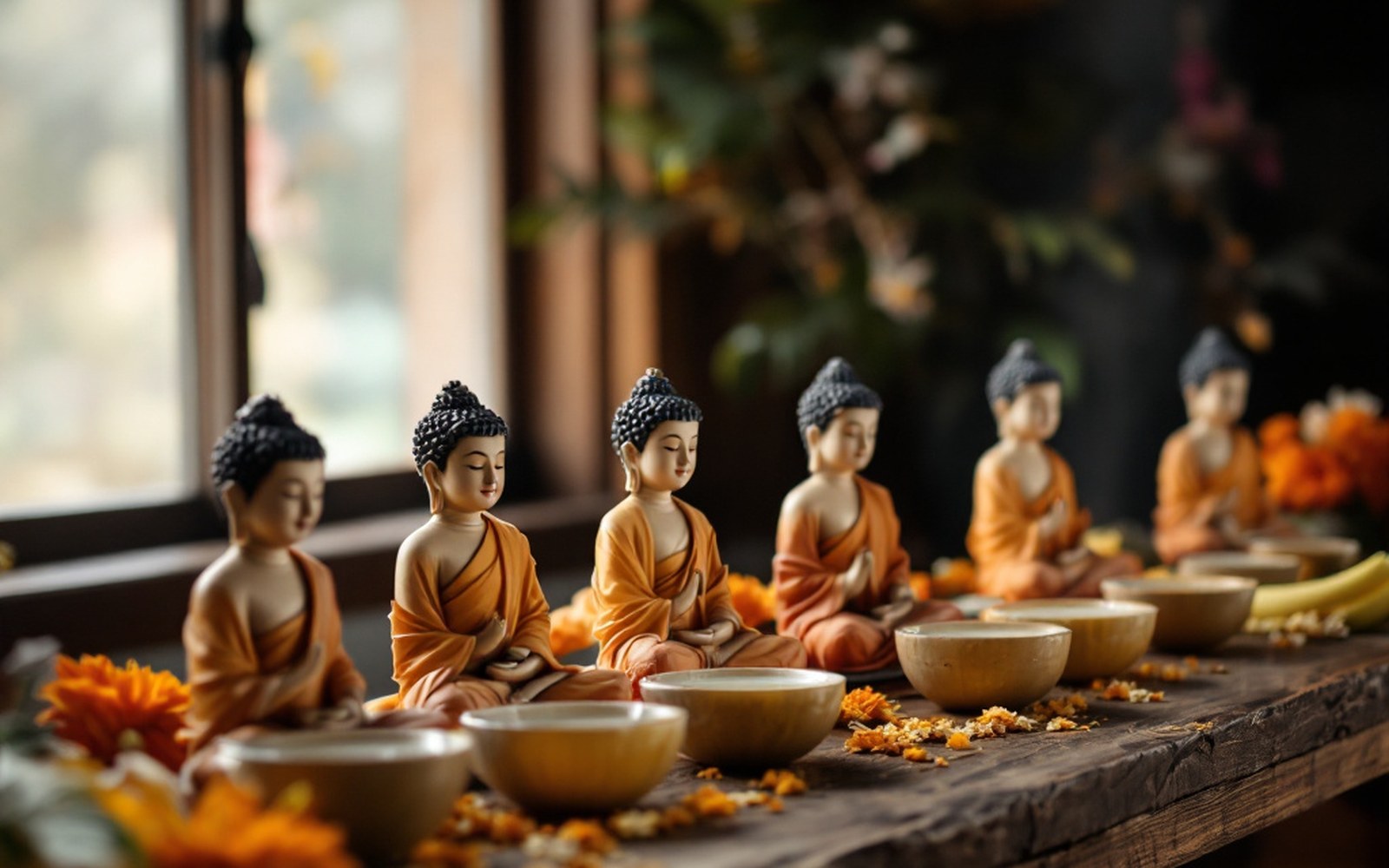
The water poured over Buddha images and over the hands of elders is the core observance, and it moves in a direction. If a guest is handed a vessel, the implicit instruction is to follow what the person beside them just did, at the pace that person set. The water that goes over elder hands is poured gently and received with the hands cupped low. It is not the same gesture as the street-level water-throwing that follows in the afternoon, and treating them as one activity is a common error a newcomer makes.
Not every temple in the Lower Mainland runs the outdoor water element in the same way, and Vancouver's observances spread across several weekends as communities work around the Canadian calendar. On a Sunday when the ceremony is condensed, the transition between the formal observance and the social gathering can be abrupt. Watching which space people move into — and how they move — tells a guest when the register has shifted.
Food and merit-making
After the ceremony, food is typically shared. In Thai Buddhist observance, giving food — dana, the act of offering — generates merit, and sharing what has been offered extends that. A guest who eats is participating in the offering's completion, not in a free lunch. Acknowledging the food before taking it, and finishing what is taken, registers.
Temples often ask for a small donation toward the ceremony's costs. The amount is never posted. Watching what others give and matching it approximately is the calibration most people use; giving nothing when a tray is passed is noticeable.
None of this requires instruction in advance. It requires showing up with attention rather than expectation — reading the room that already knows what it is doing, and moving with it rather than through it.
More in April, and everything gets wet