FrontKhao Phansa, and staying put
Ok Phansa, and what ends
The rains retreat closes, the monastic community is released from its fixed place, and the calendar quietly pivots.
The release and what follows
Ok Phansa falls on the full moon of the eleventh lunar month — usually October in the Gregorian calendar, though the precise date shifts year to year with the moon. Where Khao Phansa marks the beginning of the three-month rains retreat, Ok Phansa marks the morning it ends. The word ok means to exit or emerge, and that is exactly what happens: monks who have kept to a single monastery through the retreat are released from that restriction and may travel again.
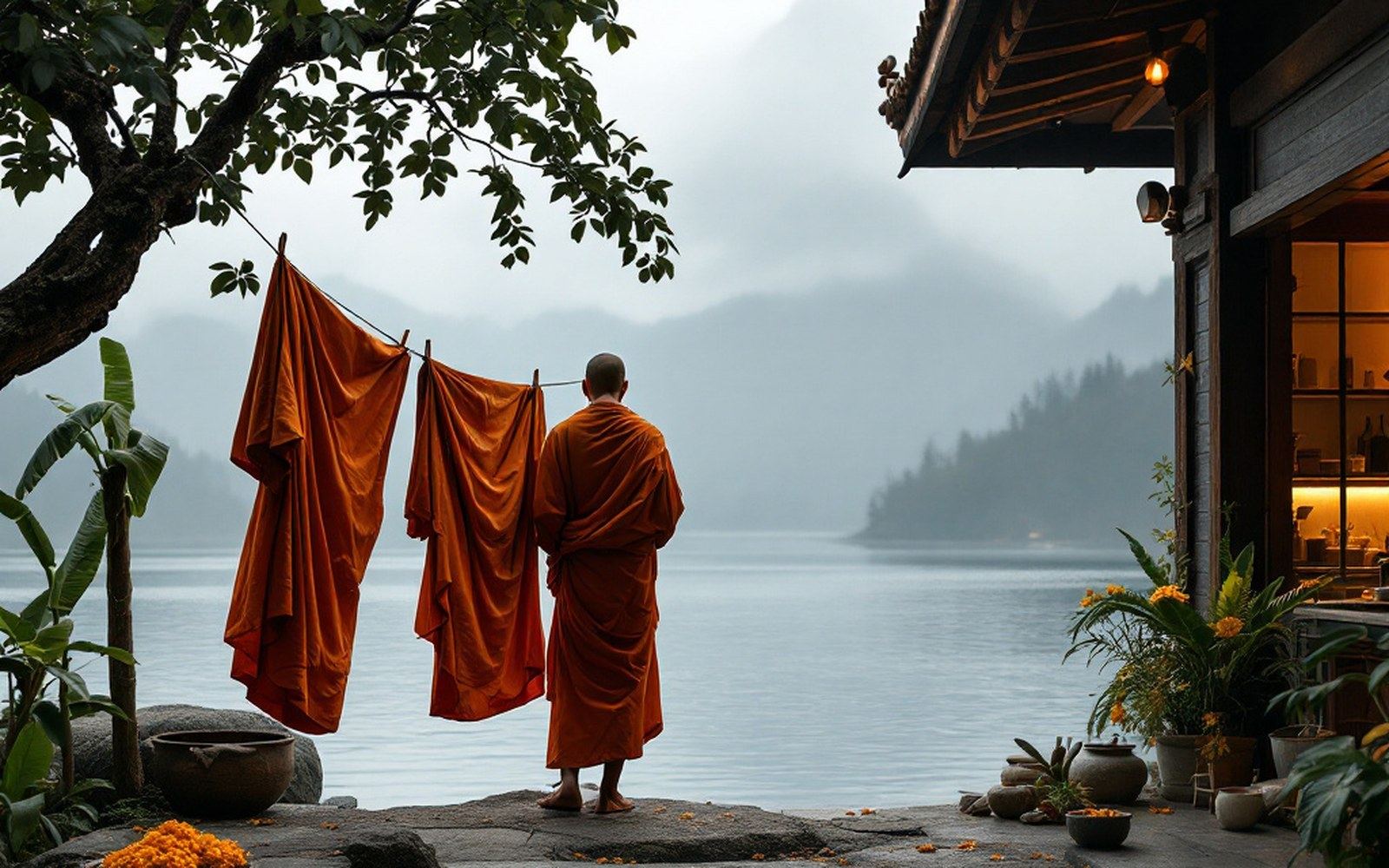
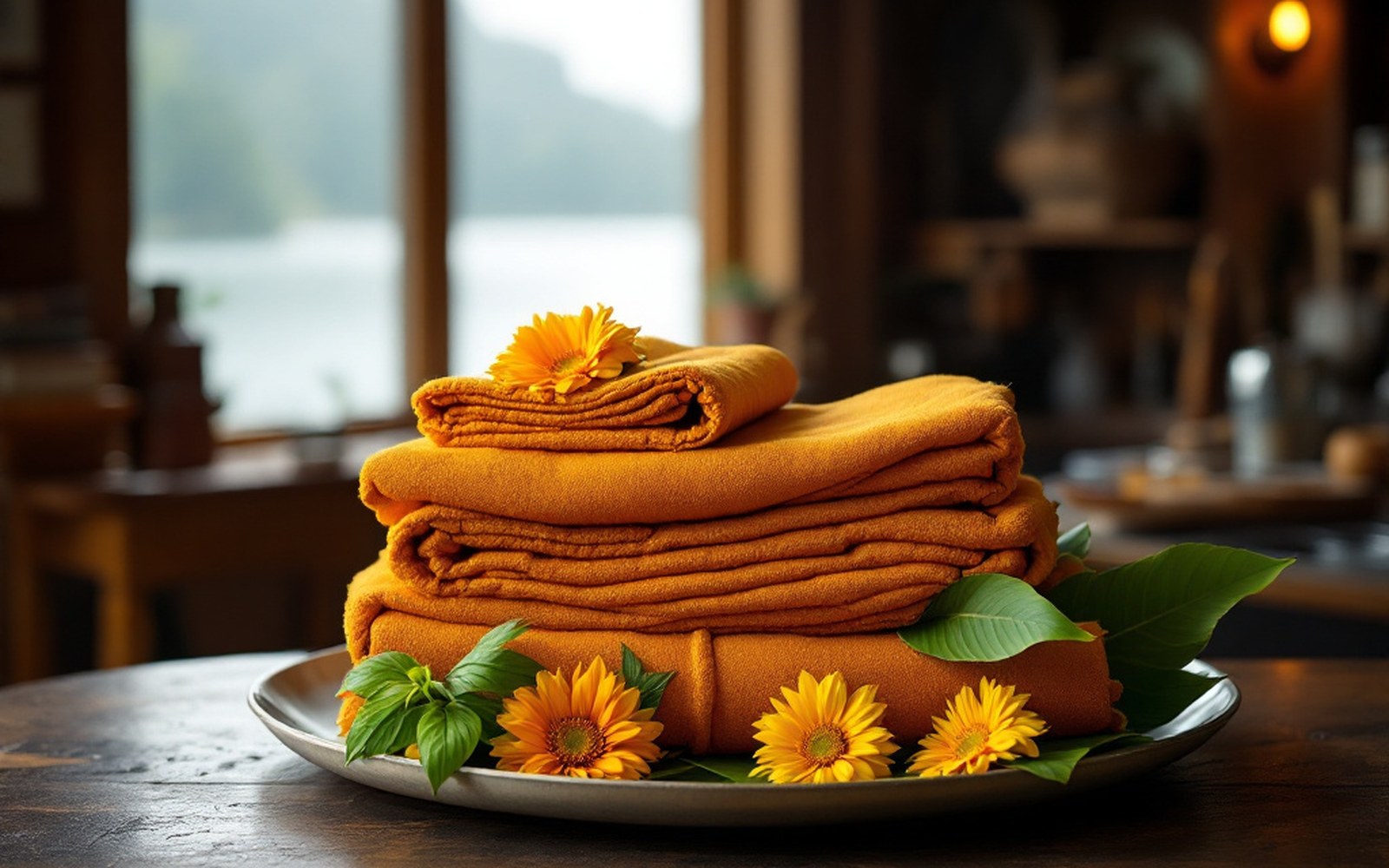
The observance is not a party. In temples across Thailand — in Bangkok's old monasteries, in Chiang Mai's walled city wats, in the village temples of Isan — the day begins before dawn with merit-making. Laypeople bring food to the monastery, and many bring pha kathin, robes or robes-cloth offered to the monastic community. This robe-offering is the heart of Ok Phansa, and it has a liturgical urgency: the kathin season runs for only one month after the retreat closes, making it one of the more time-bounded acts of lay generosity in the Thai Buddhist year. According to the Pali Canon's Vinaya Pitaka, the rules governing robes-offering to the sangha after the retreat were among the original regulations the Buddha laid down for the monastic community.
The day also carries a sense of the secular year resuming. Monks who spent the retreat studying, meditating or teaching within a single compound are now free to go on alms rounds to distant villages, to travel to see family, or to relocate to another monastery. For laypeople, Phansa had traditionally discouraged long journeys and large celebrations; Ok Phansa quietly lifts that. In agricultural communities, it overlaps with the end of the rice-planting season — the rains that justified the retreat are easing, and the harvest is approaching.
In Vancouver, the date is observed, though it is folded into the practical rhythms of a working week. The temple community marks the morning with dana — generosity offerings — and the kathin robes are typically presented at a ceremony held on the nearest convenient weekend. The full moon itself may pass on a Tuesday; the observance waits for Saturday. This compression is unremarkable and deliberate, a small adjustment the community makes without apology.
What closes at Ok Phansa is not the Buddhist year — that has its own reckoning, counted in moons from a different starting point — but a distinct season of intensified practice, communal restraint, and staying put. The calendar does not reset so much as it opens its next phase.
More in Khao Phansa, and staying put