The days the calendar is actually built on
The rhythm of the Thai Buddhist year is not made of months — it is made of moons, and specifically of four days within each moon that a Theravāda calendar has always marked.
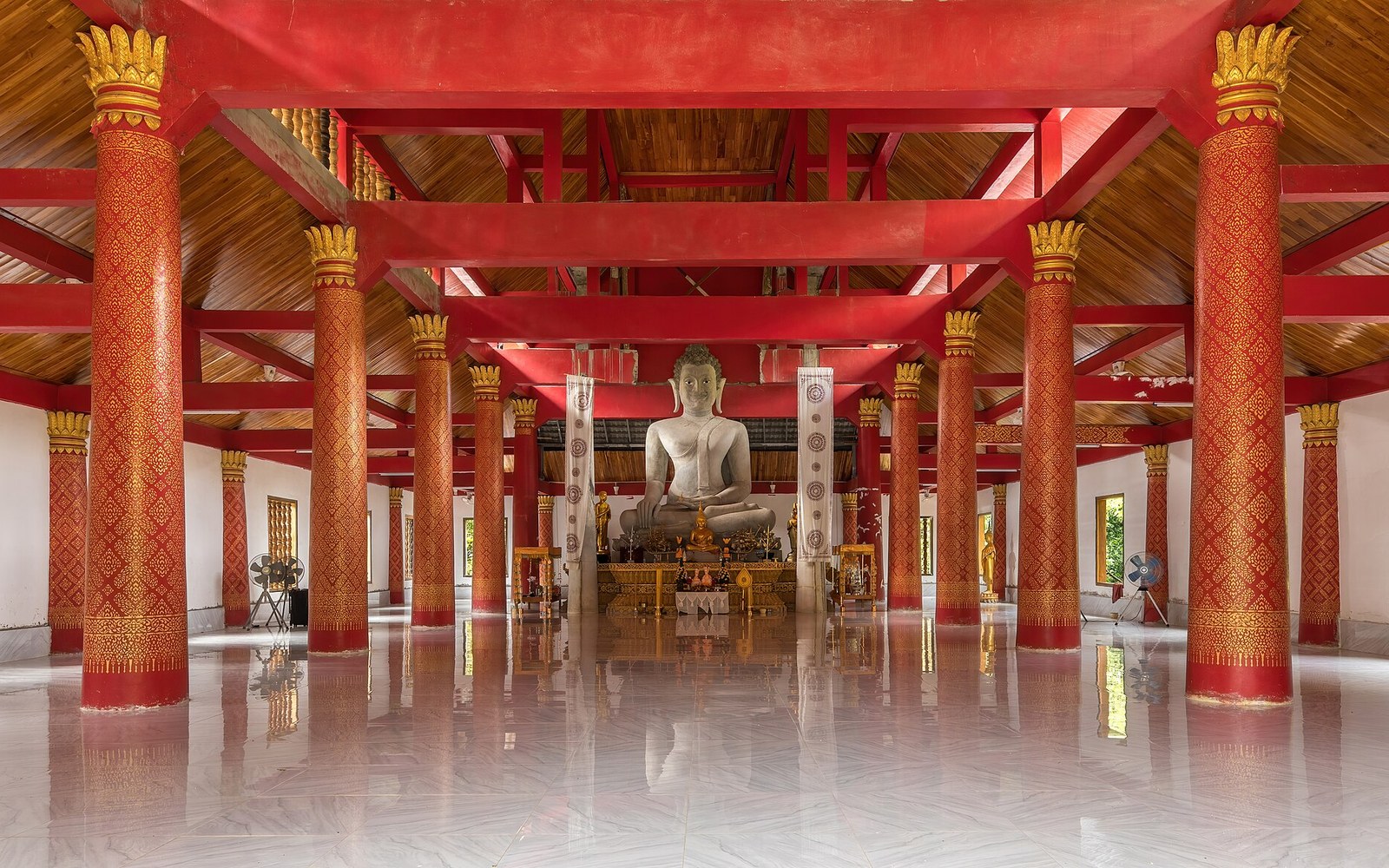
The uposatha and the count behind it
Uposatha — a Pali word for the observance days — falls four times in every lunar cycle: on the new moon, the full moon, and the two half-moons between them. Every Buddhist country that follows the Theravāda tradition builds its monastic and lay calendar on exactly this skeleton. In Thailand the full-moon uposatha carries the most weight. It is the day monks gather to recite the Pāṭimokkha, the code of monastic discipline, and it is the day on which almost every major festival is pegged.
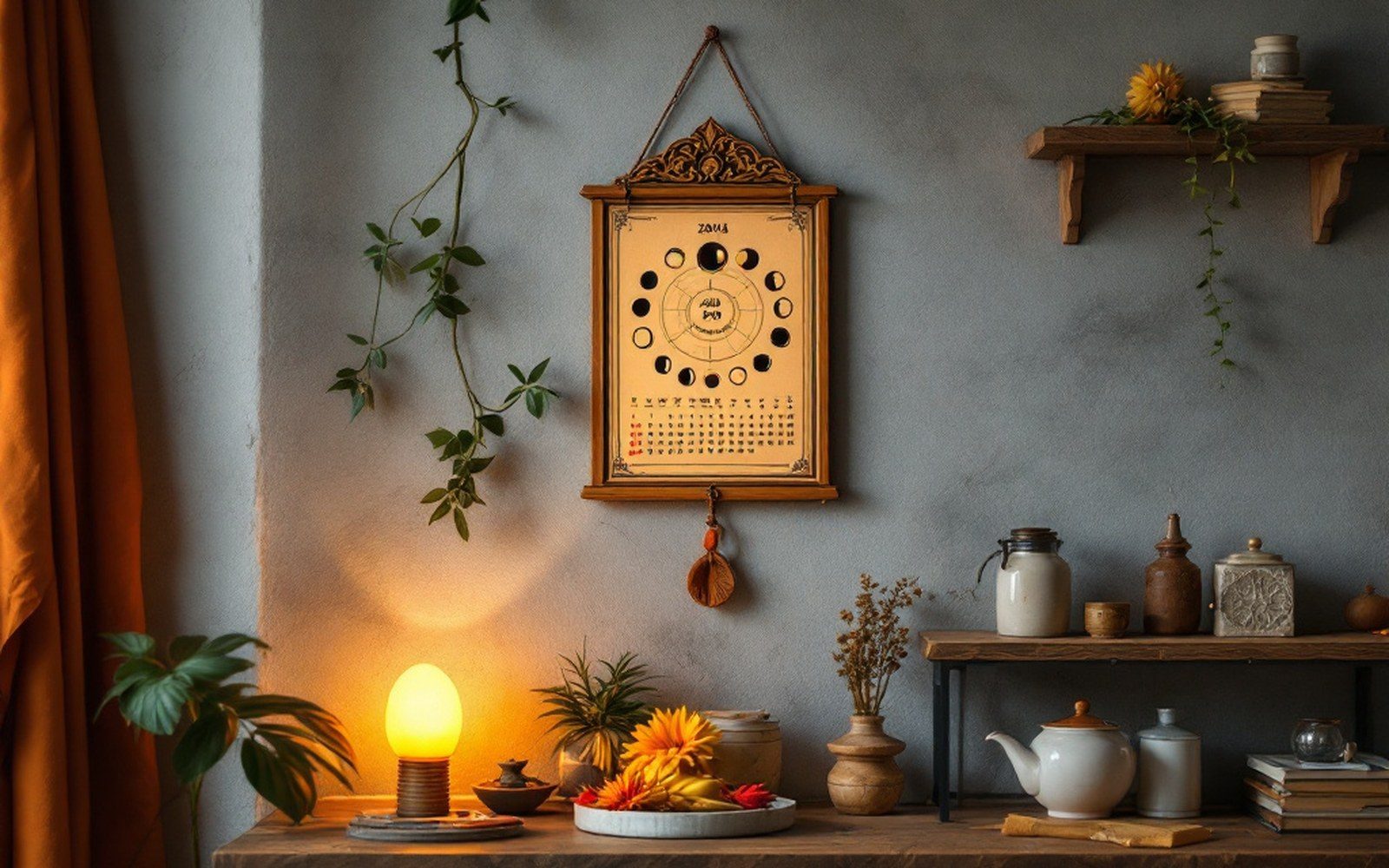
Visakha Bucha, which commemorates the birth, enlightenment and passing of the Buddha, falls on the full moon of the sixth lunar month. Khao Phansa, the opening of the rains retreat, falls on the full moon of the eighth. Ok Phansa, which closes it, falls on the full moon of the eleventh. Loy Krathong follows one lunation later, on the full moon of the twelfth. The festivals are not clustered by convenience; they land where they do because the uposatha grid was already there.
What the Western calendar sees is a set of dates that drift by eleven or twelve days each solar year, occasionally jumping a full month when a leap month is inserted to keep the lunar reckoning in step with the seasons. The Thai lunar calendar runs on a luni-solar system inherited from older Indian astronomical tradition, which is why the same festival cannot be given a fixed Gregorian date the way Christmas can: the reckoning is simply different in kind.
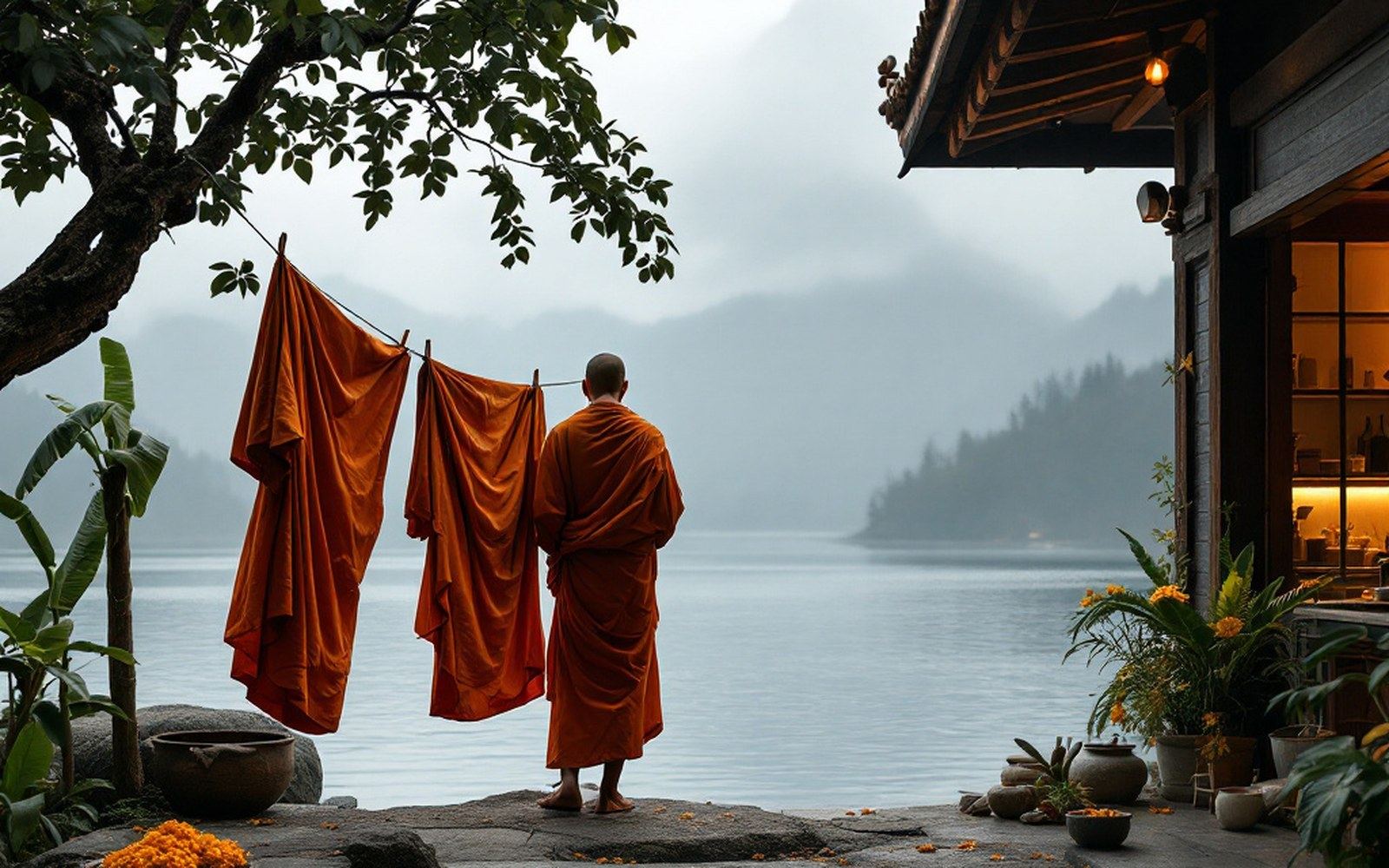
For the lay community the uposatha rhythm has always meant something beyond monks reciting precepts in a hall. It marks the days when merit-making is considered especially fruitful — when people go to the temple, offer food, and observe the eight precepts rather than the usual five. In villages across Isan, Chiang Mai's old city and the temple districts of Bangkok, the pattern still holds. In Vancouver it is quieter, but the temple calendar is organised on the same bones: the full-moon day shapes when ceremonies are timed, even when they are eventually moved to the nearest Saturday for people who keep a Canadian working week.
The uposatha is not a festival and does not look like one. It is the structural unit from which every visible celebration in the Thai year is measured out — the grid that makes the whole calendar legible.
More in Counted in moons